
Key facts
- A trailer of 21 pallets, roughly 18 tons, was rejected for rodent contamination, leaving disposal as the only path while the driver held in Florida.
- The customer contacted three disposal facilities first: one would take the material but not on terms the carrier could meet, one never called back, and one does not accept that material at all.
- WarehouseNow returned a workable disposal option fifteen minutes after the customer reached out.
A disposal request is usually routine: find a facility, confirm it takes the material, deliver, pay and leave. A small number are not. The material falls outside what a facility will accept, or the facility will accept it but not on terms the carrier can meet. From the driver’s seat, both look the same: a no.
Twenty-one pallets in Florida
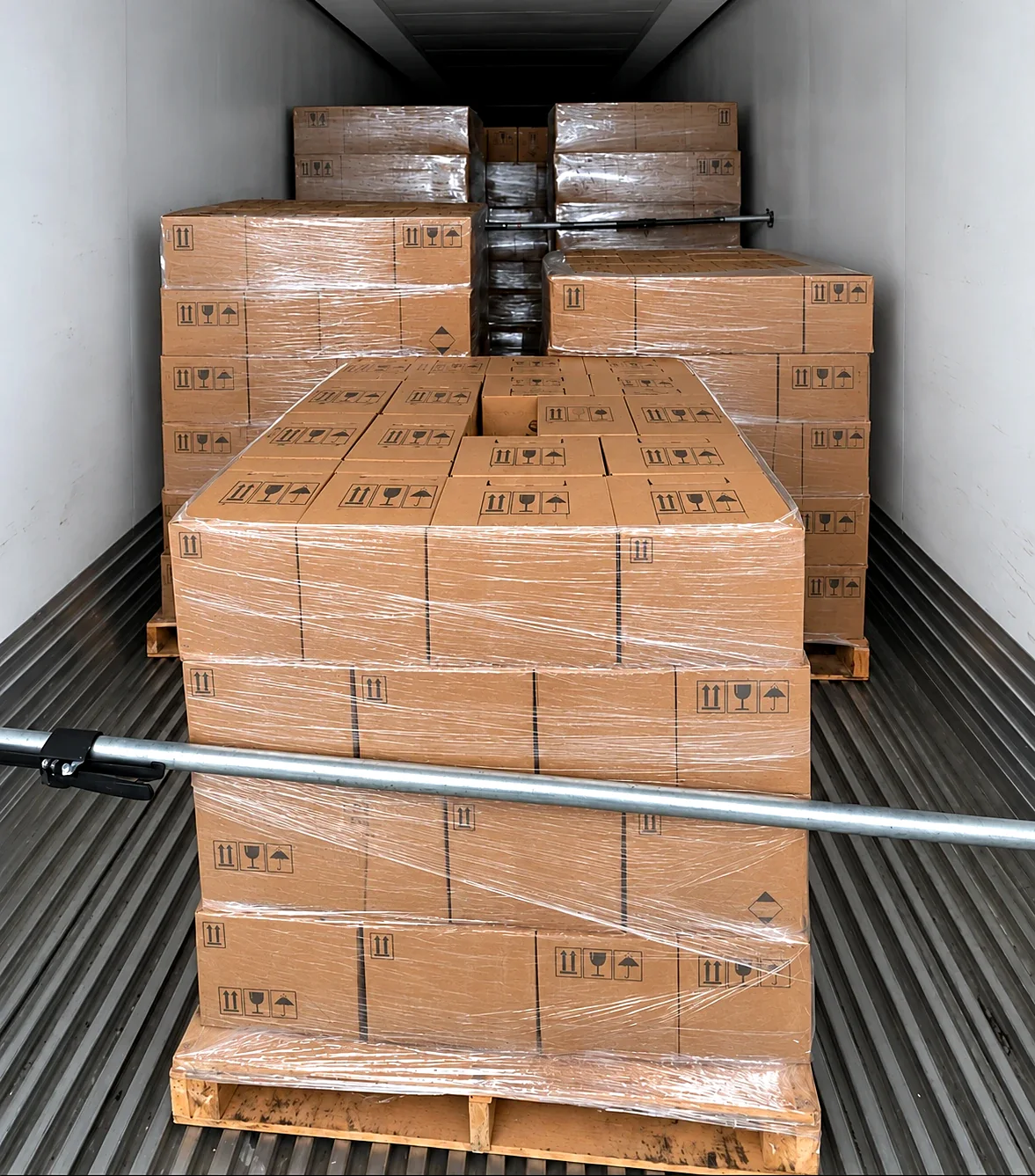
A customer had a trailer they could not deliver and could not keep. The load, 21 pallets and roughly 18 tons, had been rejected for rodent contamination. It could not go back, be sold to another buyer, sit alongside clean inventory or be salvaged. Disposal was the only path, and the driver was holding in Florida with the trailer loaded.
The customer did what anyone would. They found disposal facilities in the area and called them. Three contacts later they still had no workable path, and they came to WarehouseNow.
Three different kinds of no
- The first facility would take the material. It would not take the carrier’s payment method: it accepted cash or check, and the carrier needed to pay by Comcheck. It also had a same-day receiving cutoff and required the driver to hand-unload.
- The second facility never responded. A voicemail was left and nothing came back.
- The third facility was the only real material refusal. It does not accept that class of material at all.
Only one of the three was a no about the freight. That distinction changes the next move. A material refusal means stop calling similar sites. A payment mismatch means keep the site and change the payment method. An unreturned call means escalate rather than give up. Without that read, every no gets treated the same way: dial the next number and hope.
What the waiting costs
A 2018 U.S. DOT Office of Inspector General study, summarized by FMCSA, attributed more than $1 billion a year in lost earnings for for-hire truckload drivers to detention time. A rejected load with no destination runs the same clock, with no guarantee that it stops.
Fifteen minutes
WarehouseNow started from the constraints rather than a list of nearby facilities: the material class, how the carrier could pay, when the driver could arrive and who would unload the freight. Searched that way, the network narrows fast. A workable disposal option was returned to the customer fifteen minutes after they reached out. Fifteen minutes is not a record set for this load. It is the standing response commitment.
Three takeaways for carriers and brokers
- Sort the types of no. A material refusal, a payment mismatch, a closed window and an unreturned call are four different problems.
- A facility is not a solution on its own. Acceptance policy, payment terms, receiving hours and unload labor all have to line up on the same load.
- Keep one number for the exceptions. Routine freight does not need a partner. The rare, urgent exception does, and that is when nobody has a list ready.
Read the full white paper Download the PDF