
Key facts
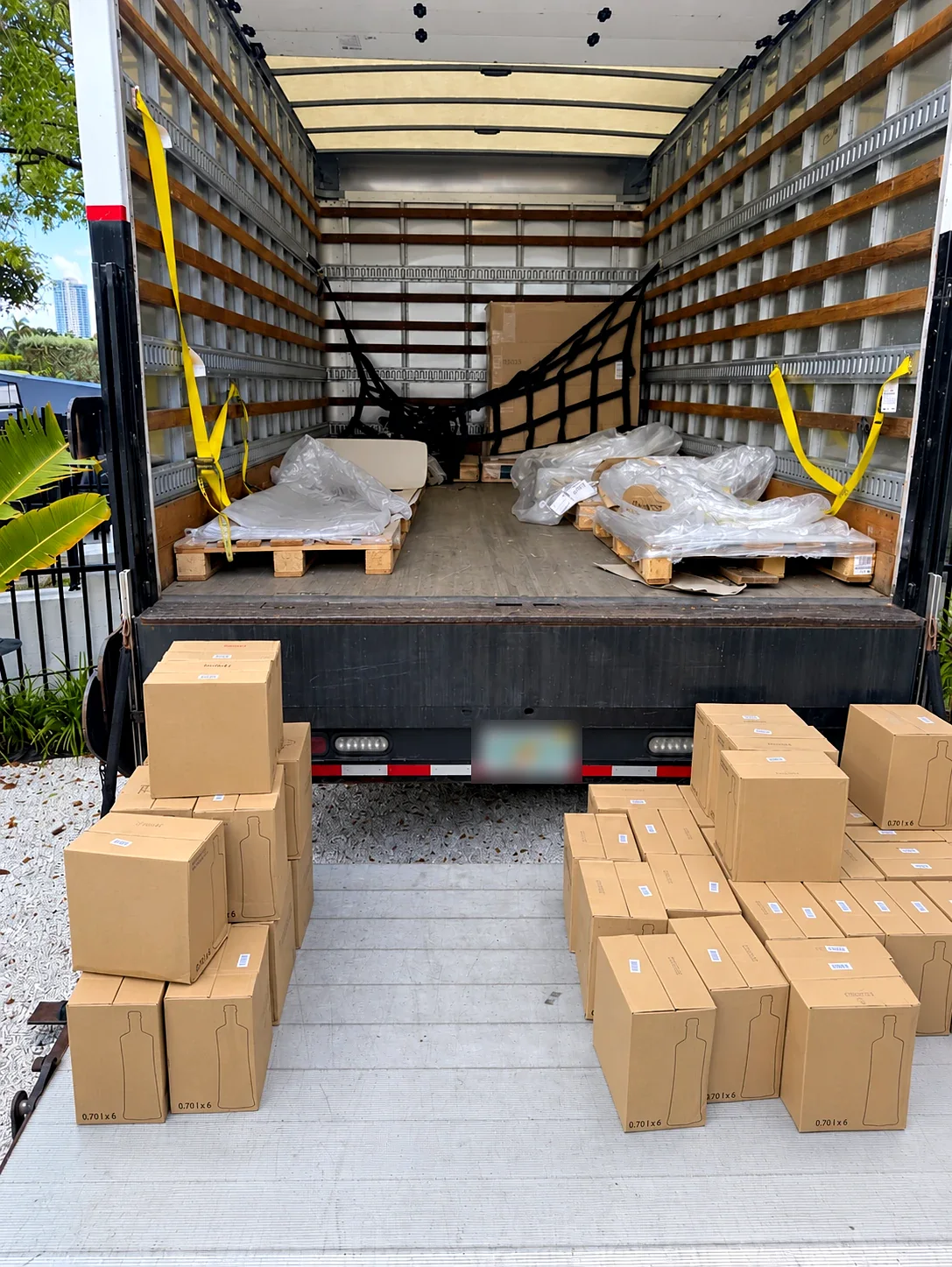
- 38 stolen pallets were recovered by police in Miami Gardens, Florida, and released for removal inside a ten-minute window.
- A crew, a secure receiving facility and a chain-of-custody record were coordinated and executed within that window.
- Most recoveries fail in coordination, not capability: the right people exist but do not share a timeline.
Ask anyone who handles freight claims where recoveries go wrong and they rarely say "nobody could do the work." They say the forklift arrived after the truck left, the facility closed before the crew showed up, or the shipper authorized the plan after the police had already cleared the site. The capability was there. The coordination was not.
Ten minutes in Miami Gardens
When law enforcement recovered 38 stolen pallets in Miami Gardens, the freight could not simply be collected at leisure. The site had to be cleared, and the window to do it was ten minutes once the release came through. Inside that window, three parties had to act in sequence without a gap: a crew to load the pallets, transport to move them, and a secure facility to receive them and document the chain of custody.
WarehouseNow coordinated all three in advance of the release so that when the window opened, the only activity was execution. The pallets were loaded, moved and received, with photographs and counts at each handoff, inside the window.
Where recoveries actually fail
The pattern in most failed recoveries looks like this:
- The problem is identified quickly. Drivers and dispatchers are good at this.
- Each party sources its own piece of the solution: the broker finds a truck, the carrier finds a crew, the shipper finds a warehouse.
- Nobody owns the timeline. The pieces arrive at different times and the freight waits for the last one.
The gap is not a lack of vendors. It is the absence of one party whose job is to make the vendors arrive together.
What a coordinator changes
A single coordinator with a vetted network removes the sequencing problem. The facility is confirmed before the crew is dispatched. The crew is dispatched to arrive when the transport does. The receiving paperwork is prepared before the freight lands. Each party does its usual job, but the timeline is owned by someone who can see all of it.
That is the role WarehouseNow plays. The customer makes one call. We confirm the facility, the labor and the sequence within fifteen minutes, and we stay on the job until the paperwork is in hand.
Why documentation is part of coordination
A recovery that is not documented is only half done. Recovered freight, rejected loads and damaged product all end in a claim, an insurance file or a prosecution. Photographs, counts and signed receipts at every handoff are what make the recovery hold up later. Building that into the sequence costs nothing on the day and saves weeks afterward.
Closing the gap
If your operation experiences recoveries that were technically possible but practically late, the fix is not more vendors. It is one point of coordination, with a network already vetted, that owns the clock from the first call to the final receipt.